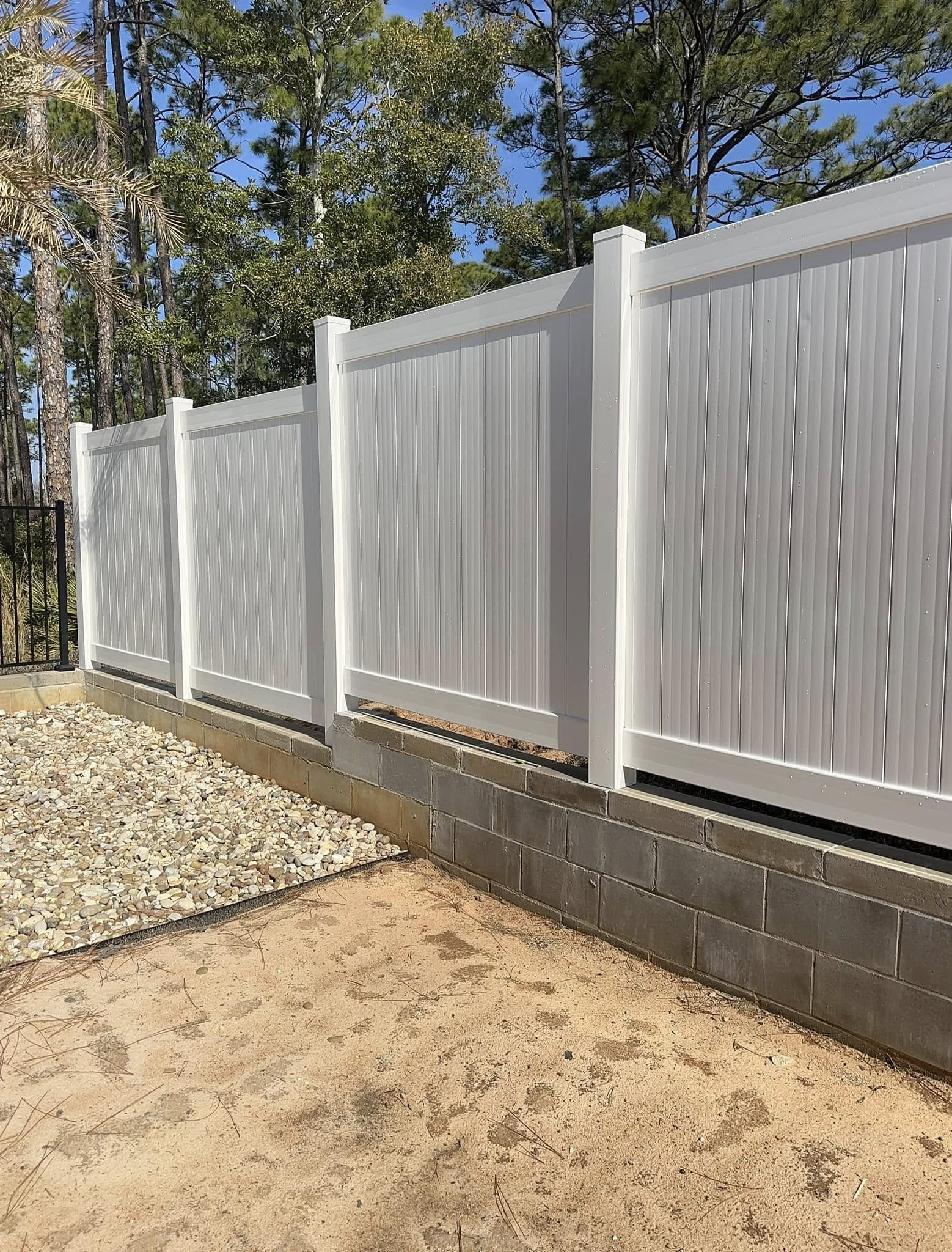
A Step-by-Step Guide to Planning Your Next Fencing Project Nov 23, 2025
The journey begins with defining the purpose of your fence. Are you looking to create a safe haven for your pets, improve security, or add aesthetic value? Understanding the primary aim will guide your choice of materials and design. For instance, privacy fences might require solid panels, while decorative designs might use picket fencing. This initial clarity sets the tone for a successful project.
Once you've defined your purpose, it's time to home in on the design and materials. Fencing options are abundant, ranging from classic wood and durable vinyl to elegant wrought iron and cost-effective chain link. Each material comes with its own benefits and maintenance requirements, so it's wise to consider what suits your lifestyle and climate. Wood offers a traditional look but may need regular staining, while vinyl is low-maintenance but slightly more costly upfront.
After finalizing your design, assessing your budget is crucial. This will prevent unexpected costs down the line and ensure you find a fencing solution within your financial comfort zone. A well-planned budget will help in making informed decisions when selecting the right type and size of fence.
Next, you must navigate the often overlooked, yet critical step of understanding local regulations. Every locale has its own zoning laws and neighborhood guidelines concerning fence height, location, and style. Before you start digging, contact your local zoning office or homeowners association to ensure your plans comply with existing regulations. Failing to do so could result in fines or even having to dismantle your newly installed fence.
With regulatory research complete, measure your property to determine the exact length and dimensions of your new fence. Accurate measurements prevent material wastage and provide a clear picture of your layout. A detailed site survey can also uncover any potential challenges like slopes, which might require special installation techniques.
You’re now ready to consider installation timelines. Whether you decide to tackle the project yourself or hire professionals from C&G Fencing and Outdoor Services, creating a realistic timeline is key. DIY projects may take longer due to learning curves, while professionals often adhere to fixed schedules, allowing for a quicker turnaround.
The final consideration is the impact on your landscape. Fencing projects can temporarily disrupt existing plants and garden layouts, so plan ahead to preserve the beauty of your outdoor space. You might need to relocate plants or adjust the layout to accommodate your new fence.
In conclusion, planning a fencing project is a multifaceted task that, when done with diligence, enhances both the functionality and aesthetics of your property. By following this step-by-step guide, you're set to make informed decisions that align with your vision and budget. For those in search of expert guidance and professional installation, contact C&G Fencing and Outdoor Services. We're dedicated to helping you build a fence that stands strong and looks beautiful for years to come.
/filters:no_upscale()/filters:format(webp)/media/0bb38762-b14e-4185-b0a3-790df16ecd84.jpeg)
/filters:no_upscale()/filters:format(webp)/media/41bb0b3a-6b55-4048-9e8c-7c458b261560.jpeg)