How Climate Influences Your Choice of Fencing Materials Dec 09, 2025
Climate plays a pivotal role in determining the most suitable fencing materials for your project. In regions with harsh weather conditions such as intense heat or heavy rainfall, selecting the wrong material can lead to premature deterioration. For instance, wooden fences, while aesthetically pleasing and cost-effective, may not fare well in constantly damp environments. Excessive moisture can lead to rot, warping, and pest infestations, all of which compromise the structure's integrity. If you live in such areas, considering materials like vinyl or composite might be more prudent, as they offer high resistance to water damage.
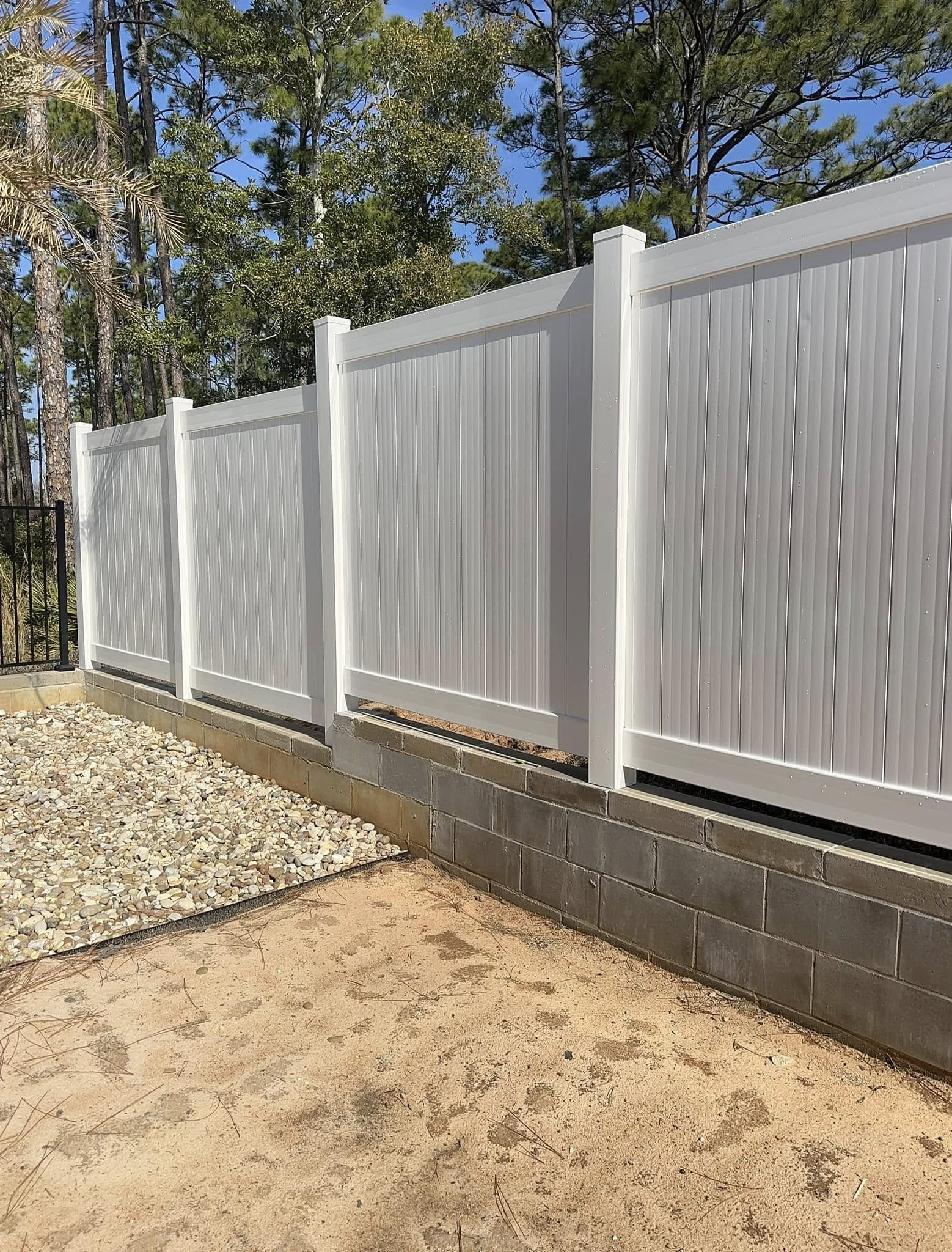
In contrast, dry, arid climates pose their own challenges. Wood, once again, can become problematic as the intense sun and lack of moisture can cause it to dry out and crack. Metal fences can also suffer in these environments, as they absorb heat and may become hot to the touch. Here, vinyl fencing shines again as a prime choice due to its ability to withstand high temperatures without losing form or functionality. However, it’s important to choose UV-resistant options to protect against the fading and cracking that prolonged sun exposure can cause.
For those living in colder climates, especially where snow and ice are prevalent, durability and resilience are key. Metal fences, particularly those made from aluminum or steel, can withstand the harsh conditions of winter. Treated wood is another option, provided it undergoes regular maintenance such as sealing and staining to prevent moisture penetration and freezing damage. Both these materials can handle the weight of snow and resist ice-related corrosion, though regular inspection is advised to catch any early signs of wear.
Wind considerations are also crucial, especially in areas prone to hurricanes or strong gusts. A fence that isn’t anchored properly can become a danger during such events. Chain-link fences are often recommended in these situations as their open design allows wind to pass through with minimal resistance. This reduces the likelihood of the fence being toppled during severe weather. If privacy is a concern, solid panels reinforced with sturdy posts and concrete footings can provide a balance between security and wind resistance.
At C&G Fencing and Outdoor Services, we not only provide high-quality fencing materials but also offer expert advice tailored to your local climate. Our team is ready to help you select the perfect fence that combines aesthetics, functionality, and durability. Remember, the right fence not only enhances the beauty and security of your home but also stands strong against the elements.
Understanding the interaction between climate and fencing materials ensures a smarter investment and a longer-lasting product. Reach out to our experts today to explore the best options for your specific needs and enjoy peace of mind knowing your property is well-protected against the forces of nature.
/filters:no_upscale()/filters:format(webp)/media/0bb38762-b14e-4185-b0a3-790df16ecd84.jpeg)
/filters:no_upscale()/filters:format(webp)/media/41bb0b3a-6b55-4048-9e8c-7c458b261560.jpeg)