Regional Styles in Fencing: How Geography Influences Your Choices Mar 19, 2026
Regions across the country showcase unique styles and materials driven by climate, cultural influence, and local regulations. For instance, in the southwestern United States, where the climate is arid and woody resources are less common, you'll often find fences made from wrought iron or metal. These materials withstand intense sun and heat while delivering the security and aesthetic appeal that property owners desire. On the other hand, wooden and split rail fences are popular in the northeastern U.S., where lush landscapes and abundant timber resources encourage their use. Wood offers versatility in design and can be particularly striking against the backdrop of autumn foliage.
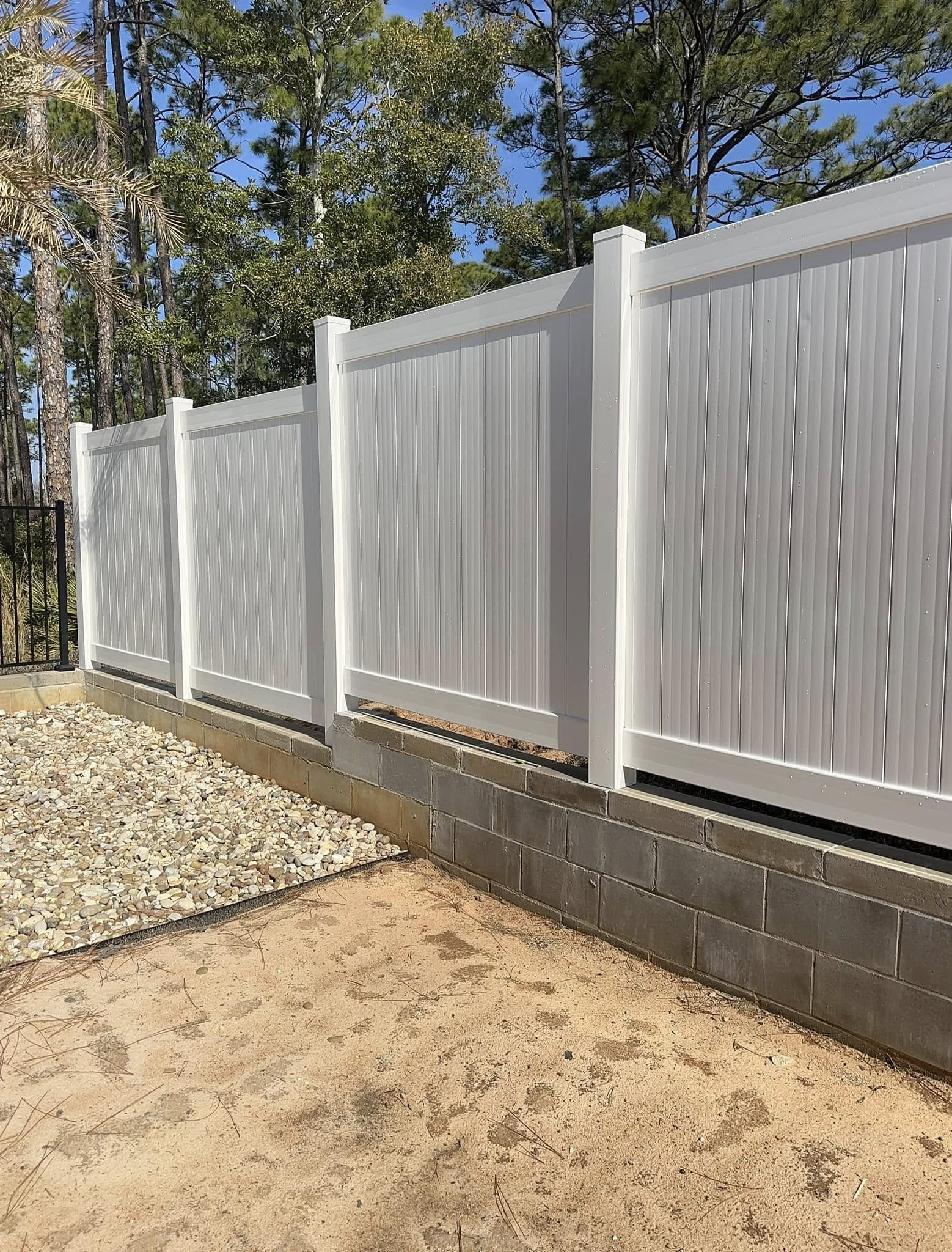
Climate does not only influence material choice but also dictates maintenance requirements. For regions with harsh winters, such as the Midwest, it is critical to choose fencing that can withstand snow, ice, and strong winds. Vinyl fencing is a great option as it is durable, low-maintenance, and can gracefully endure the extremes of winter weather without cracking or splintering. In coastal areas, salt exposure and high humidity levels can cause metal to rust. Here, homeowners often prefer PVC or treated wood to ensure longevity and maintain quality aesthetics.
Cultural influence is another aspect determining regional fencing styles. For example, traditional ranch-style properties prevalent in Texas are often demarcated using barbed wire or post and rail fencing, reflecting the state's rich agricultural heritage. Conversely, in urban areas like New York City, taller, more modern fences, such as those constructed from composite materials, are favored for their contemporary appeal and ability to offer greater privacy in densely populated locations.
Moreover, your local municipality may have specific regulations that impact your fencing choices. For example, in some regions, height restrictions are common, particularly in front yards, to maintain clear sightlines and consistent neighborhood aesthetics. In other areas, environmental regulations may dictate the minimum percentage of wildlife-permeable fencing. Familiarity with these rules not only ensures compliance but also helps in planning the most practical and attractive fencing for your property.
For those looking to enhance curb appeal while respecting regional characteristics, C&G Fencing and Outdoor Services offers personalized consultations to explore diverse fencing options that reflect various regional styles. We understand that a fence is more than just a boundary marker; it's a vital part of your landscape and should harmonize with both your property's architecture and the local environment.
In conclusion, recognizing regional influences in fencing can significantly guide homeowners to made well-suited choices. Climate, culture, and local regulations all play a part in determining the best materials and designs for your area. At C&G Fencing and Outdoor Services, we're committed to assisting our clients in navigating these factors to achieve fences that are both functional and beautiful. Let us help you create a fence that perfectly encapsulates the essence of your home and region.
/filters:no_upscale()/filters:format(webp)/media/0bb38762-b14e-4185-b0a3-790df16ecd84.jpeg)
/filters:no_upscale()/filters:format(webp)/media/41bb0b3a-6b55-4048-9e8c-7c458b261560.jpeg)