Understanding Local Fencing Regulations: What You Need to Know Nov 20, 2025
Fencing regulations vary greatly depending on your location. These rules are influenced by local municipality codes, homeowner association (HOA) guidelines, and even historical district mandates in some areas. Understanding these distinctions is crucial, as non-compliance could lead to fines or the costly necessity of removing or altering your installation.
The first step is to check with your local municipality. Each city or county usually has a building department responsible for enforcing zoning codes that apply to fences. These codes determine crucial elements such as the height and placement of the fence, materials that can be used, and whether a building permit is required. For instance, most residential areas restrict fence heights to six feet for backyard fences and four feet for front yard fences. However, these restrictions can vary, so it is always best to verify the specifics with your local authorities.
For homeowners residing in communities governed by an HOA, additional rules may apply. HOAs often impose their own set of fencing regulations to maintain neighborhood aesthetics and property values. These guidelines can dictate not only the height and style of fences but also the type of materials and colors permitted. Failure to comply with HOA regulations might result in penalties or demands to modify your fence.
It's also important to assess any existing easements on your property. Easements are portions of your land that another entity has the right to use, such as utility companies. Placing a fence in easement areas without permission could lead to having it dismantled if those entities need access.
Before beginning any fencing project, obtaining a property survey is an invaluable step. A survey accurately defines your property lines, which is essential to prevent encroachment on neighboring land. Encroachment not only risks legal disputes but can also lead to having to relocate your fence.
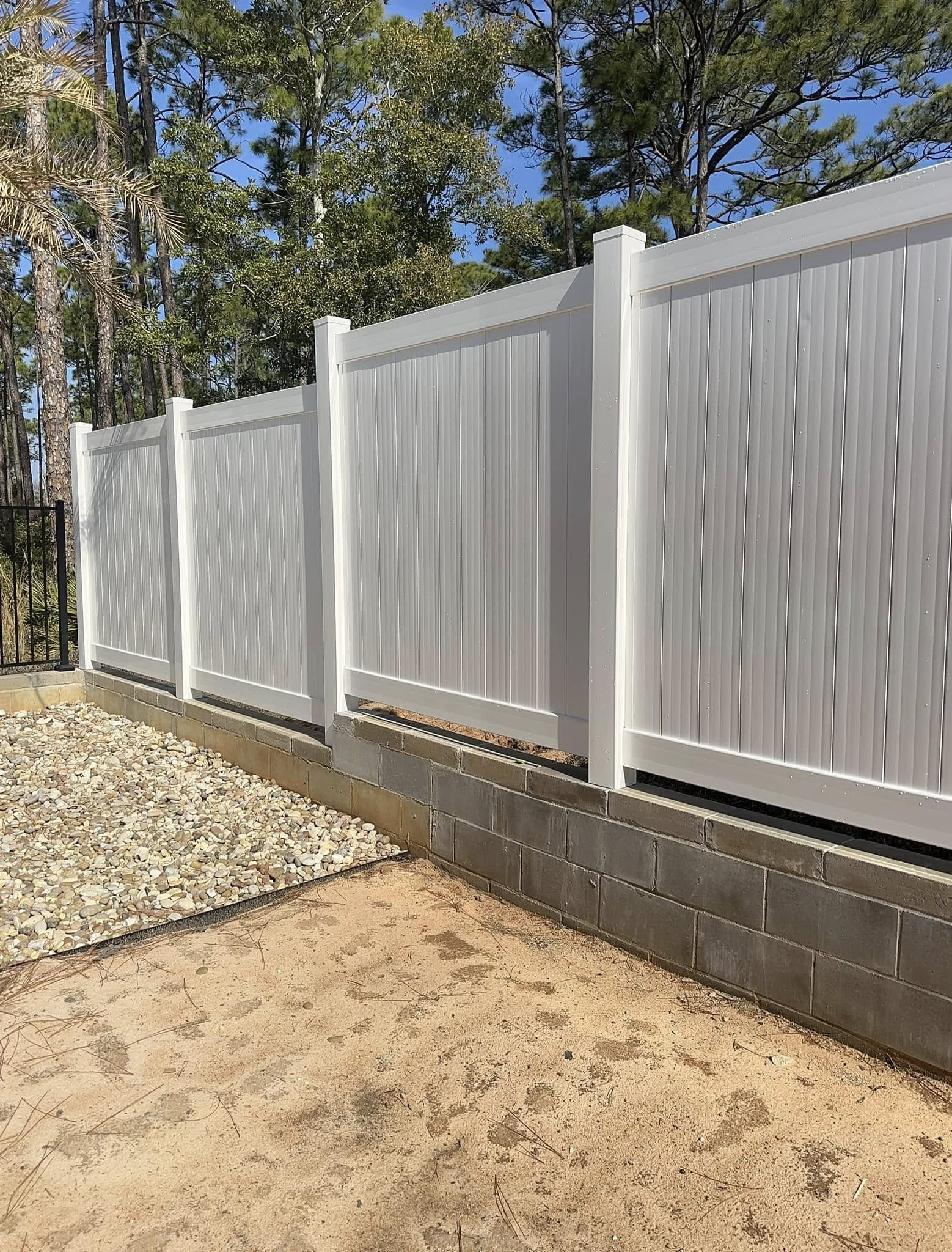
Once you have a clear understanding of local regulations and property lines, the task of choosing the right materials and design becomes more straightforward. From classic wood to durable vinyl, C&G Fencing and Outdoor Services offers a wide range of options suited to meet both aesthetic preferences and regulatory demands.
Finally, remember to procure any necessary permits before commencing construction. Permit requirements vary, but generally, municipalities require them for any significant alteration or addition, including fences. Submitting detailed plans for approval can save time and ensure your project adheres to all local codes.
In summary, comprehending local fencing regulations is an essential part of any fencing project. By taking the time to understand these rules, you can avoid costly mistakes and ensure a smooth installation process. C&G Fencing and Outdoor Services is here to assist every step of the way, from initial consultation to final installation. Reach out to us to discuss your fencing needs and let us help you navigate the complexity of local regulations with confidence.
/filters:no_upscale()/filters:format(webp)/media/0bb38762-b14e-4185-b0a3-790df16ecd84.jpeg)
/filters:no_upscale()/filters:format(webp)/media/41bb0b3a-6b55-4048-9e8c-7c458b261560.jpeg)